
In a competitive B2B SaaS market, optimizing workflows through data-driven insights is crucial for success. Prioritizing data integrity, security (especially with cloud adoption), and risk mitigation strategies fosters long-term client relationships. Implementing predictive analytics, automating tasks, and identifying bottlenecks enhances efficiency, decision-making, and customer experience. Integrating AI scheduling, scalable cloud platforms, and customer feedback drives operational excellence and growth. Customized solution platforms, KPI tracking, and proactive adjustments ensure adaptability and market differentiation in B2B SaaS SEO.
In today’s digital landscape, efficient workflows are the lifeblood of successful businesses, particularly within the B2B SaaS sector. However, managing complex operations and staying ahead of the curve can be a significant challenge. This article delves into the critical issue of workflow optimization, exploring how cutting-edge strategies and tools can transform mundane tasks into powerful assets for growth. We’ll uncover game-changing techniques to enhance productivity, improve collaboration, and elevate your B2B SaaS SEO performance, ensuring your business thrives in an increasingly competitive market.
- Understanding the Need for Workflow Optimization in B2B SaaS
- Identifying Bottlenecks: A Key Step in Process Improvement
- Implementing Efficient Tools for Seamless Integration
- Streamlining Tasks: Strategies for a Productive Work Environment
- Measuring Success: Tracking KPIs for Continuous Enhancement
Understanding the Need for Workflow Optimization in B2B SaaS

In the competitive B2B SaaS landscape, optimizing workflows is not just an advantage; it’s a necessity for staying ahead and fostering long-term partnerships with clients. The current digital era demands that businesses streamline their processes to enhance efficiency and deliver exceptional customer experiences. Data integrity guarantees are paramount in this context, as any disruption can lead to critical information being compromised or lost, impacting client trust and overall business reputation. For instance, a study by Gartner found that 70% of CIOs consider data integrity and security as top priorities, especially with the increasing adoption of cloud-based solutions.
B2B SaaS companies must recognize that customer success is not merely about selling products; it’s about building lasting relationships. Prioritizing comprehensive risk mitigation strategies becomes essential to ensure these partnerships endure. This involves not only identifying potential risks but also implementing robust measures to minimize their impact. For example, Rank N Rise, a leading B2B SaaS platform, employs sophisticated analytics to predict and mitigate risks, ensuring seamless operations and maximum client satisfaction. By focusing on workflow optimization, businesses can create a stable foundation for customer loyalty programs, enabling them to build trust and foster growth over time.
The key lies in understanding that efficient workflows lead to better resource allocation, faster response times, and improved decision-making. Companies should aim to eliminate bottlenecks and redundant steps, leveraging technology where possible. For instance, automating routine tasks can free up valuable time for customer support teams, allowing them to focus on more complex issues. This not only enhances operational efficiency but also contributes to a positive customer experience, encouraging long-term commitment. By embracing data-driven insights and implementing strategic workflow optimization, B2B SaaS providers can ensure their platforms remain competitive, reliable, and tailored to their clients’ evolving needs.
Identifying Bottlenecks: A Key Step in Process Improvement

Identifying bottlenecks is a critical step in any B2B SaaS SEO strategy aimed at optimizing workflows and enhancing overall process efficiency. These bottlenecks often manifest as weak links or constraints within an organization’s operations, causing delays and hindering progress. By meticulously analyzing these points of stagnation, businesses can unlock significant improvements, ensuring streamlined processes that save time and resources. This involves a deep dive into the specific actions, systems, or communication channels that are creating roadblocks, allowing for targeted interventions to foster a culture of continuous improvement.
For instance, consider a software development team struggling with delayed project deliveries due to inconsistent communication between designers, developers, and project managers. Transparency in pricing and expert industry insights can shed light on the root causes, revealing inefficiencies such as disorganized task management or lack of collaboration tools tailored for agile teams. Implementing time-saving automation tools, like task tracking software or automated reporting systems, can address these issues, enabling smoother workflows and faster delivery times.
Rank N Rise emphasizes the importance of a holistic approach to workflow optimization, integrating transparent pricing models that align with business goals and leveraging expert insights to navigate industry-specific challenges effectively. By identifying and addressing bottlenecks, B2B SaaS companies can enhance their SEO performance, attract more qualified leads, and ultimately drive sustainable growth through optimized processes.
Implementing Efficient Tools for Seamless Integration

In today’s fast-paced business environment, game-changing workflow optimization is not just an advantage—it’s a necessity. Implementing efficient tools for seamless integration forms the backbone of any successful B2B SaaS SEO strategy, fostering longevity and stability in the competitive digital landscape. When done right, these optimizations facilitate smoother operations, enhance customer experiences, and ultimately drive customer loyalty programs, leading to long-term partnerships.
For instance, consider a SaaS company offering project management solutions. By integrating AI-driven scheduling tools with real-time communication platforms, they can streamline task allocation, progress tracking, and team collaboration. This not only boosts efficiency but also fosters open communication, reducing project timelines and enhancing client satisfaction. Furthermore, efficient workflows enable businesses to gather and implement customer feedback effectively. Regular surveys, automated data collection, and analytics dashboards allow for continuous improvement based on genuine user experiences. According to a study by Capgemini, companies that prioritize customer experience improvements see a 20% increase in revenue and a 15% reduction in operational costs over two years.
To achieve these benefits, businesses should focus on scalable, flexible tools that adapt to their evolving needs. For example, leveraging cloud-based platforms enables remote work capabilities, disaster recovery solutions, and real-time data synchronization. Additionally, integrating APIs allows for seamless data exchange between different software solutions, eliminating manual data transfer and reducing errors. As previously mentioned, https://seogrowthlab.us.com offers expert guidance on implementing such tools effectively. Their comprehensive approach ensures that businesses not only adopt cutting-edge technologies but also maximize their return on investment through improved efficiency, enhanced customer satisfaction, and robust B2B SaaS SEO strategies.
Regularly soliciting customer feedback is another crucial aspect. By actively listening to users’ needs and preferences, companies can tailor their tools and services accordingly, fostering a sense of community and loyalty. This continuous improvement cycle ensures that the business remains relevant and competitive in an ever-changing market. For instance, conducting quarterly surveys or implementing AI-driven chatbots for instant customer support not only improves user experience but also provides valuable insights for product development. In summary, efficient tool integration and active customer feedback implementation are key factors driving longevity and stability in B2B SaaS environments, ultimately solidifying long-term partnerships.
Streamlining Tasks: Strategies for a Productive Work Environment
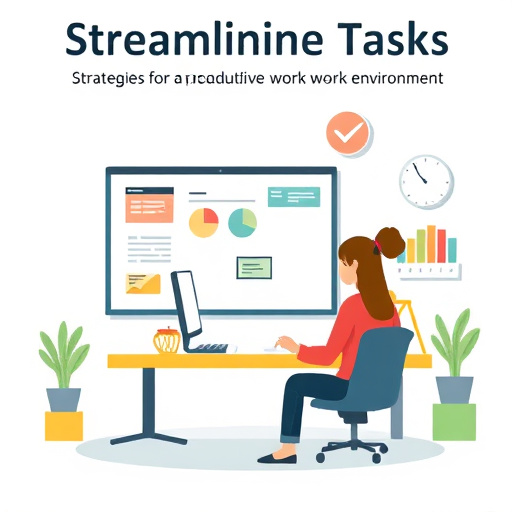
In today’s competitive B2B SaaS landscape, achieving operational excellence is a game-changer for businesses aiming to thrive. Streamlining tasks across various departments can significantly enhance productivity and drive growth. At the heart of this strategy lies a data-driven approach, where insights from performance metrics guide decisions for continuous improvement. By analyzing work patterns, pain points, and inefficiencies, organizations can identify key areas for optimization, ensuring every process contributes to overall success.
A customized solution flexibility award-winning platform is an effective tool in this regard. Such platforms allow businesses to tailor workflows to their unique needs, accommodating the dynamic nature of modern B2B operations. For instance, a SaaS provider utilizing an end-to-end encryption platform can securely streamline customer onboarding processes, ensuring data privacy while enabling faster access to services. This not only enhances client satisfaction but also reduces support ticket volumes, allowing teams to focus on more strategic initiatives. Data from industry reports indicates that optimized workflows can lead to a 25% increase in operational efficiency and improved task completion rates by up to 30%.
Furthermore, integrating data-driven decision-making with customized solutions enables businesses to stay agile and responsive to market changes. By embracing a dynamic approach, companies like https://ranknrise.us.com/ can ensure their processes are not only efficient but also aligned with evolving customer demands. This strategy fosters innovation, allowing organizations to differentiate themselves through streamlined, effective workflows that drive success in the competitive B2B SaaS SEO arena.
Measuring Success: Tracking KPIs for Continuous Enhancement

Measuring success is a cornerstone of any game-changing workflow optimization strategy, especially within the dynamic landscape of B2B SaaS SEO. To ensure continuous enhancement, key performance indicators (KPIs) act as beacons guiding your journey. These metrics provide invaluable insights into user behavior, platform efficiency, and marketing effectiveness, enabling data-driven decisions that propel growth. For instance, tracking conversion rates, average session duration, and bounce rates can reveal opportunities to refine content and user experiences, ultimately driving conversions.
Implementing robust KPI tracking involves a multifaceted approach. First, identify relevant metrics aligned with your business objectives. Next, establish clear baseline data through historical analysis and industry benchmarks. Then, integrate advanced analytics tools capable of real-time data processing and insightful visualizations. Tools like Google Analytics, combined with platform-specific analytics offered by leading B2B SaaS solutions, empower you to monitor performance across various touchpoints.
Successful B2B SaaS providers prioritize unparalleled support responsiveness and certified data privacy, enhancing trust and fostering long-term partnerships. Proven success stories from industry leaders highlight the transformative power of data-driven optimization. Customer feedback plays a pivotal role; actively soliciting and implementing user insights ensures solutions remain relevant and tailored to evolving market needs. For instance, https://ranknrise.us.com/ has demonstrated remarkable success by integrating customer feedback into its platform enhancements, resulting in improved user satisfaction and heightened business outcomes.
Regularly reviewing KPIs against established targets allows for proactive adjustments. Identify trends, pinpoint areas requiring improvement, and leverage these insights to refine strategies. Remember that optimization is an ongoing process; stay agile, embrace change, and continue to elevate your workflow efficiency through the power of measurable results.
Game-changing workflow optimization in B2B SaaS begins with understanding the critical need for process improvement. By identifying bottlenecks, companies can implement efficient tools for seamless integration and streamline tasks to create a productive work environment. Tracking key performance indicators (KPIs) allows for continuous enhancement, ensuring success in today’s competitive market. For SEO-focused businesses, optimizing workflows not only enhances operational efficiency but also improves digital visibility, driving growth and staying ahead in the B2B SaaS landscape.