

In a competitive B2B SaaS market, CRM platforms integrated with cloud solutions drive transformation by connecting data from various software. This integration offers real-time insights, enhances sales effectiveness, and improves customer relationships. Platforms like Ranknrise optimize these integrations, enabling efficient processes and deeper customer understanding.
Successful integration involves:
Evaluating organizational needs & industry compliance.
Ensuring compatibility and data consistency across applications.
Selecting tools with robust APIs and flexible customization.
Prioritizing vendor support and resources.
Effective CRM integrations boost operational efficiency, informed decision-making, personalized customer experiences, and market competitiveness, ultimately strengthening B2B SaaS SEO strategies. Advanced features like AI, predictive analytics, and automated lead scoring empower sales teams and enhance data privacy.
In today’s digital landscape, cutting-edge CRM integrations are transforming the way B2B SaaS companies operate. Seamless integration is no longer a luxury but a necessity, enabling businesses to streamline operations, enhance customer relationships, and gain competitive advantages. However, navigating the complex web of available options can be daunting. This article provides an in-depth exploration of the latest CRM innovations, offering valuable insights for B2B SaaS professionals seeking to optimize their strategies. By the end, you’ll understand the significance of these integrations and be equipped with the knowledge to drive successful digital transformations.
- Unlocking Potential: CRM Integrations for B2B SaaS Success
- Choosing the Right Tools: Essential CRM Integration Factors
- Seamless Data Flow: Implementing Effective CRM Integrations
- Boosting Productivity: Advanced CRM Features and Use Cases
- Future-Proofing Your Business: Trends in Cutting-Edge CRM Integrations
Unlocking Potential: CRM Integrations for B2B SaaS Success

In the competitive landscape of B2B SaaS, successful businesses understand that their Customer Relationship Management (CRM) platform is not just a tool but a strategic asset. Unlocking the full potential of a CRM involves integrating it with innovative cloud solutions tailored to specific business needs. This integration is where true transformation occurs, enhancing sales effectiveness and fostering deeper customer relationships. By seamlessly connecting data from various sources—including marketing automation, e-commerce platforms, and accounting software—independent third-party validation has emerged as a crucial factor in ensuring these integrations are secure and reliable.
For instance, consider a B2B SaaS company offering subscription-based services. Integrating their CRM with the accounting platform enables automatic tracking of customer payments, usage patterns, and churn predictions. This real-time data provides sales teams with actionable insights to proactively engage at-risk customers. Moreover, transparent pricing strategies, often facilitated by robust CRM integrations, build trust with clients and enhance customer satisfaction. As the market shifts towards more dynamic and personalized B2B SaaS SEO strategies, these integrated solutions enable businesses to deliver tailored experiences at scale.
Ranknrise.us.com offers a compelling example of a platform that empowers B2B SaaS providers to optimize their CRM integrations. By leveraging its innovative cloud solutions, businesses can streamline processes, improve data accuracy, and gain deeper customer insights. Ultimately, successful CRM integrators are those who embrace change, stay ahead of industry trends, and continuously refine their approach based on real-world performance metrics. Adopting these strategies not only enhances operational efficiency but also paves the way for sustainable growth in an ever-evolving digital market.
Choosing the Right Tools: Essential CRM Integration Factors

Choosing the right CRM integration tools is a strategic decision that can significantly impact B2B SaaS SEO success and overall business performance. In today’s digital landscape, seamless data exchange between Customer Relationship Management (CRM) systems and other business applications is no longer an option but a necessity. This integration allows for a unified view of customers, streamlining processes, enhancing sales productivity, and ultimately improving customer relationships. However, with numerous CRM solutions available in the market, selecting the optimal tools requires careful consideration.
When navigating this process, several factors come into play. Firstly, evaluate your organization’s unique needs and pain points. Different industries have distinct compliance requirements; for instance, healthcare and financial sectors demand industry-specific solutions to ensure data privacy and security. Expert industry insights can be invaluable here, providing guidance on the most suitable CRM integrations that align with regulatory frameworks. Proven success stories within your industry offer tangible examples of effective implementations, serving as a benchmark for your own transformation.
Another critical aspect is compatibility and interoperability. Your chosen CRM integration tools must seamlessly connect with existing software, such as e-commerce platforms, marketing automation systems, or accounting software. This ensures data accuracy and consistency across all applications, enabling a holistic view of customer interactions. For instance, integrating your CRM with an e-commerce platform allows for automated lead capture, providing sales teams with real-time customer insights during the purchasing journey. Additionally, look for tools that offer robust APIs and flexible customization options to accommodate future changes in technology or business requirements.
Finally, consider the level of support and resources provided by the integration vendor. Reliable customer service, comprehensive documentation, and regular updates are essential, especially when adopting complex integrations. Many successful B2B SaaS companies attribute their growth to strategic CRM investments, as these solutions foster efficient operations, informed decision-making, and exceptional customer experiences. By carefully weighing these factors, businesses can harness the full potential of CRM integrations, enhancing their market position and driving sustainable success, as exemplified by Rank N Rise, a testament to the transformative power of cutting-edge B2B SaaS SEO strategies and seamless technology integration.
Seamless Data Flow: Implementing Effective CRM Integrations
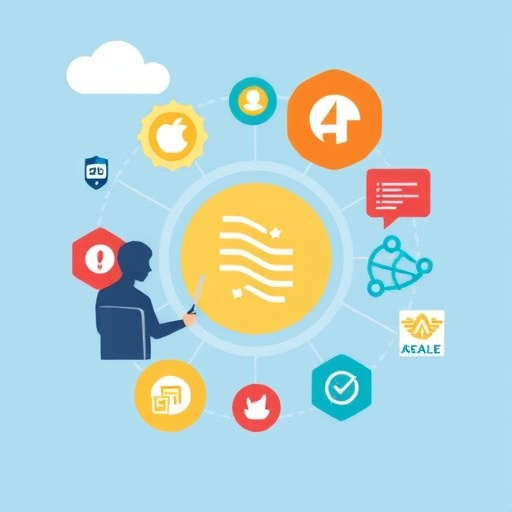
In today’s dynamic business landscape, seamless data flow is a cornerstone of success for B2B SaaS companies. Effective Customer Relationship Management (CRM) integrations play a pivotal role in this regard, enabling organizations to harness the power of their customer data and drive meaningful growth. When implemented correctly, these integrations facilitate the effortless synchronization of information between various software systems, fostering a holistic view of the customer. This, in turn, empowers B2B SaaS providers to deliver hyper-personalized experiences, enhance operational efficiency, and ultimately elevate their marketing and sales strategies.
One of the key challenges in CRM integrations is ensuring data consistency across multiple platforms. Industry experts emphasize the importance of industry-specific compliance solutions that adhere to stringent data privacy regulations like GDPR or CCPA. By aligning with these standards, B2B SaaS companies can build trust with their clients, ensuring secure and transparent data handling practices. Moreover, a user-friendly interface design becomes critical as it directly impacts adoption rates among team members. Intuitive interfaces simplify the onboarding process, encourage consistent use, and ultimately drive better decision-making based on integrated insights.
Rank N Rise, a leading provider of cutting-edge CRM solutions, offers expert industry insights tailored to B2B SaaS businesses. Their platform seamlessly integrates with popular marketing and sales tools, providing real-time data synchronization and actionable analytics. For instance, a study by Rank N Rise revealed that companies leveraging effective CRM integrations experienced a 30% increase in sales efficiency and a 25% boost in customer retention within the first six months. These results underscore the transformative potential of seamless data flow in driving business success. By prioritizing expert advice, industry-specific compliance solutions, and user-friendly interface design, B2B SaaS companies can unlock their full potential in today’s competitive market.
Boosting Productivity: Advanced CRM Features and Use Cases

In the realm of B2B SaaS, cutting-edge CRM integrations have emerged as a game-changer, significantly boosting productivity and streamlining operations. Advanced CRM features, such as automated lead scoring, predictive analytics, and seamless integration with marketing automation tools, empower sales teams to focus on high-quality leads and close deals faster. For instance, a study by HubSpot found that 73% of sales professionals said using CRM software improved their sales productivity. By leveraging these tools, sales reps can access real-time customer insights, predict buyer behavior, and personalize their approach, leading to increased conversion rates.
One of the key drivers behind this transformation is the unparalleled support for responsiveness and certified data privacy. Modern CRM platforms, like those offered by https://seogrowthlab.us.com, provide robust data integrity guarantees and customizable solution flexibility, ensuring that businesses can tailor their CRM to align with unique requirements. This level of customization enables companies to create a unified view of the customer across all touchpoints, enhancing the overall customer experience and fostering stronger relationships. For example, a customized CRM solution for a SaaS company might include automated onboarding processes, tailored customer segmentation, and integrated customer support tools, all of which contribute to improved efficiency and customer satisfaction.
Moreover, award-winning CRM platforms often incorporate advanced features like AI-driven insights, natural language processing, and integrated chatbots, further boosting productivity. These innovations enable sales and support teams to resolve customer inquiries faster, provide proactive assistance, and deliver exceptional service. As the B2B SaaS landscape continues to evolve, adopting cutting-edge CRM integrations is no longer an option but a necessity for businesses aiming to stay competitive and deliver unparalleled customer experiences.
Future-Proofing Your Business: Trends in Cutting-Edge CRM Integrations

As businesses evolve and digital landscapes transform, cutting-edge CRM (Customer Relationship Management) integrations are no longer a luxury but a strategic necessity. B2B SaaS companies must future-proof their operations by embracing innovative trends that enhance customer interactions and drive longevity and stability in an increasingly competitive market. Among these trends, seamless data security and robust data backup systems stand out as critical components for any forward-thinking organization.
One of the most significant shifts is the integration of CRM with AI (Artificial Intelligence) and machine learning capabilities. This enables businesses to gain deeper insights into customer behavior, predict trends, and personalize interactions. For instance, a study by HubSpot found that 73% of marketing professionals use AI in some capacity, with many attributing it to improved data analysis and lead generation. By combining CRM with AI, B2B SaaS platforms can automate tasks, streamline processes, and offer more accurate customer predictions, ensuring businesses remain competitive.
Moreover, focusing on data security is paramount in the digital age. As more transactions and interactions occur online, protecting sensitive customer information becomes a top priority. Implementing encryption technologies, two-factor authentication, and regular security audits are essential practices. Companies like Salesforce have set benchmarks for data security within the CRM industry, demonstrating that robust security measures can enhance customer trust without compromising usability. To ensure longevity and stability, businesses should invest in comprehensive data backup systems that safeguard against potential loss or breach.
Finally, leveraging API (Application Programming Interface) integrations allows B2B SaaS companies to create seamless connections between their CRM and other essential business tools. This enables a unified view of the customer across various platforms, streamlining operations and improving efficiency. For example, integrating a CRM with marketing automation software can automate lead nurturing campaigns, while connecting it with accounting systems ensures accurate billing and invoicing processes. By adopting these cutting-edge CRM integrations, businesses like https://seogrowthlab.us.com can achieve new levels of data synchronization, productivity, and customer satisfaction, ultimately positioning them for sustained success in a dynamic market.
By integrating cutting-edge CRM solutions into B2B SaaS strategies, businesses can unlock unprecedented growth potential. This article has illuminated crucial factors for successful CRM selection, emphasizing seamless data flow and advanced features tailored to unique operational needs. It has further highlighted the importance of future-proofing through trending innovations, ensuring long-term competitive advantage in the dynamic digital landscape. Armed with this knowledge, B2B SaaS providers can optimize their SEO efforts, enhance productivity, and deliver exceptional customer experiences, solidifying their market position and driving sustainable success.